
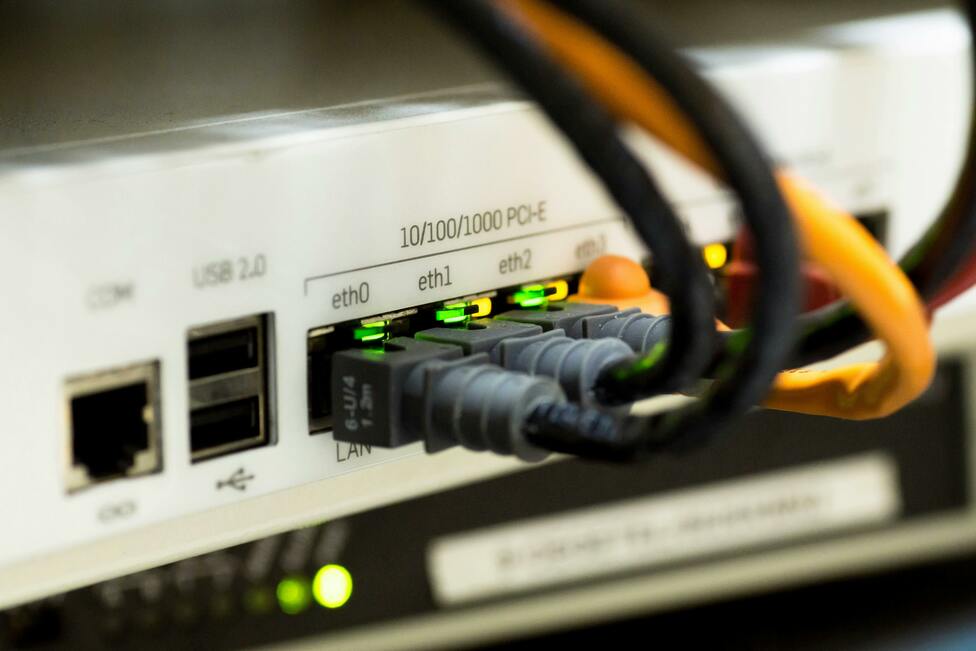
Many small businesses know a firewall matters, but far fewer are clear on what a firewall is actually doing for them day to day.
In some environments, the firewall is treated like a box that sits on the network and quietly exists in the background. People assume it is there, assume it is protecting everything, and rarely think about it again unless internet access breaks.
That mindset creates risk.
A firewall is one of the most important control points in a business network, but its value depends heavily on how it is configured, monitored, updated, and managed over time. A managed firewall service is not just about owning the hardware. It is about making sure that hardware is actively helping protect the business the way it should.
A Firewall Helps Control What Traffic Is Allowed
At the most basic level, a firewall helps control traffic moving into and out of your network.
That includes deciding which connections should be allowed, which should be blocked, and which deserve closer inspection. Without that control point, a business network is more exposed to unauthorized access, poorly secured services, and unnecessary risk.
For a small business, that matters because not every device, user, or outside request should be treated the same way. A properly managed firewall helps create boundaries instead of leaving everything wide open.
Good Firewall Protection Is More Than a Default Setup
One of the biggest mistakes businesses make is assuming a firewall is fully protecting them just because it was installed.
In reality, many firewall appliances begin with broad default settings or old rule sets that are never reviewed again. Over time, the environment changes. New cloud tools are added. Remote access expands. Old rules stay in place. Temporary openings become permanent. Nobody is fully sure why a certain exception exists, but no one wants to touch it.
That is how firewall sprawl starts.
A managed firewall service helps prevent that by reviewing the rules, cleaning up what no longer makes sense, and keeping the device aligned with how the business actually operates now.
It Helps Reduce Unnecessary Exposure
Small businesses often have more internet-facing exposure than they realize.
Remote access tools, vendor connections, older services, unmanaged ports, and legacy rules can all create paths that increase risk. A managed firewall helps identify and reduce that unnecessary exposure before it becomes a bigger problem.
That does not mean blocking everything blindly. It means being intentional about what should be reachable, from where, and under what conditions.
Managed Firewalls Support Better Remote Access Security
Remote work and hybrid access changed how many businesses use their networks.
Employees may connect from home, from client sites, or while traveling. Vendors may need limited access. IT staff may need secure remote management. All of that introduces access questions that a firewall often helps control.
When the firewall is managed well, remote access can be handled more securely with better segmentation, cleaner rules, safer VPN policies, and stronger control over who can reach what.
That matters because weak remote access is a common point of risk.
Visibility and Alerts Matter Too
A firewall is not just there to pass or block traffic. It also provides visibility.
Logs, alerts, usage patterns, connection attempts, and security events can all help show whether something unusual is happening on the network. That visibility becomes much more valuable when someone is actually paying attention to it.
Managed firewall support helps businesses get more value out of that information instead of letting it sit unused until there is a major incident.
Updates and Ongoing Care Still Matter
Like other security tools, firewalls need maintenance.
Firmware updates, policy review, rule cleanup, VPN review, and occasional tuning are all part of keeping the device effective. If those things are ignored, the firewall can become less helpful over time, even if it is still technically online.
That is one reason managed support matters. The goal is not just to have the device powered on. The goal is to have it actively supporting the security and reliability of the business.
A Managed Firewall Also Helps With Troubleshooting
Firewalls are not only about blocking threats. They also affect business operations.
Bad rules, old NAT entries, unstable VPN settings, and unclear network paths can all create frustrating problems with cloud apps, remote access, phones, or vendor connections. A managed firewall service helps reduce that confusion because the device is being reviewed by someone who understands both the security side and the operational side.
That leads to better protection and fewer avoidable headaches.
Final Thoughts
A firewall is one of the most important parts of a small business network, but it only creates real value when it is managed properly.
A managed firewall helps control exposure, support secure remote access, improve visibility, reduce outdated rules, and keep the network aligned with the way the business actually works.
If your business is not fully confident in how your firewall is configured or whether it is still protecting the network the way it should, AVS Technologies can help. We work with businesses that need stronger perimeter security, cleaner network control, and practical support they can rely on. You can also request a free consultation to review your current firewall setup.