
For many small businesses, the phone system still plays a major role in sales, service, scheduling, and customer communication. But a lot of companies are still relying on older office phone setups that are harder to manage, less flexible, and more limiting than they need to be.
A traditional phone system may still function, but that does not mean it is serving the business well. As more teams work across multiple devices, locations, and communication channels, modern phone needs have changed.
That is where a cloud phone system usually offers a clear advantage.
If your business is comparing options or wondering whether it is worth replacing an older setup, here is what a cloud phone system typically does better and why it matters.
It Gives Your Team More Flexibility
One of the biggest differences is that a cloud phone system is not tied as tightly to a specific piece of hardware in one office.
With a traditional office phone setup, employees often need to be physically at their desks or tied to specific extensions. That becomes a problem when staff work remotely, split time between locations, travel, or simply need to stay reachable outside the office.
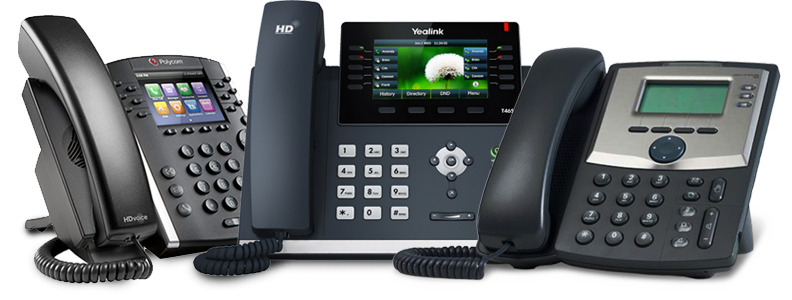
A cloud phone system gives businesses more flexibility by allowing users to take calls on desk phones, mobile apps, laptops, or other connected devices depending on the platform. That makes it easier for employees to stay available without being locked to one location.
For many businesses, that flexibility alone is a major upgrade.
It Makes Remote and Hybrid Work Easier
Remote and hybrid work created a big gap between what older phone systems were designed for and how many teams operate now.
Traditional systems often assume everyone is in the office, using the same network, with the same desk phone setup every day. But many businesses now need calls to follow employees wherever they are working.
Cloud phone systems are generally better suited for that reality. Calls can be routed more easily, team members can answer from approved devices, and office communication can continue without the business being dependent on a single physical location.
That means if weather, travel, a local outage, or a schedule change affects the office, your communication setup does not have to fall apart with it.
It Usually Improves Call Routing and Management
A lot of frustration with old phone systems comes from how rigid they are.
Call routing may be clunky. Voicemail handling may be inconsistent. Updating menus, extensions, greetings, or call flows may require more time than it should. In some cases, businesses avoid making needed changes simply because the phone system is too inconvenient to manage.
Cloud systems usually make call handling easier to adjust. Features like auto attendants, voicemail routing, ring groups, call forwarding, business-hours logic, and department-level call flow changes are often more manageable than on older on-premise systems.
That matters because better routing improves customer experience. People get to the right person faster, fewer calls are missed, and the business looks more organized.
It Can Reduce Dependence on Aging Hardware
Traditional phone systems often rely on hardware that eventually becomes expensive to maintain, hard to replace, or difficult to support.
That includes aging PBX equipment, legacy handsets, outdated configurations, or vendor-specific parts that are no longer ideal for a growing business. When something fails, repair options may be limited, and even small issues can create larger interruptions.
A cloud phone system reduces that dependence on aging infrastructure. While phones and networking still matter, the system itself is not as dependent on one older on-site box continuing to do everything.
That can lower risk and make future growth easier.
It Makes Multi-Location Support Simpler
If your company has more than one office, or even just a main office plus remote users, traditional phone systems can become awkward fast.
Older setups often were not built with easy multi-location management in mind. Connecting locations cleanly may require more complicated configuration, separate systems, or workarounds that make support harder.
Cloud phone platforms are usually much better for multi-location businesses. Teams can share one system more easily, and the business can present a more unified communication experience even if staff are working in different places.
For a growing business, that can be a major advantage.
It Often Improves Business Continuity
One of the most overlooked benefits of a cloud phone system is resilience.
If your office internet fails, if a local device goes down, or if the physical office becomes inaccessible for some reason, a traditional system may leave the business with fewer options. In some cases, customers may simply not be able to reach you the way they normally would.
Cloud phone systems generally give businesses more ways to reroute or continue communications during disruptions. Calls may be redirected to mobile devices, remote users, backup routes, or alternate endpoints depending on configuration.
That does not eliminate every problem, but it usually gives the business more flexibility than an older fixed setup.
It Can Provide a Better Experience for Customers
Customers may not care what type of phone system you use, but they do care about the experience.
They notice when calls go unanswered, when transfers are messy, when voicemail is inconsistent, or when they struggle to reach the right person. A communication setup that feels disorganized can make a business look less responsive and less professional.
Modern cloud phone systems can help create a cleaner customer experience through:
- better call routing
- more consistent availability
- easier voicemail handling
- more reliable forwarding
- better support for mobile and remote users
For service businesses especially, that can directly affect trust and responsiveness.
It Is Often Easier to Scale
Adding users, changing roles, supporting new departments, or adjusting call flow tends to get harder on legacy systems.
Cloud phone systems are usually easier to scale as a business changes. That matters when your company hires new staff, changes office structure, adds locations, or simply wants a system that can adapt without a major rebuild every time something changes.
The right system should support the business you are building, not just the one you had years ago.
It Still Depends on Proper Setup
A cloud phone system is not automatically better just because it is cloud-based.
The quality of the setup still matters. Internet stability, call routing design, device choices, vendor support, and user training all affect the final result. A poorly configured cloud system can still frustrate users.
That is why businesses benefit from choosing a phone solution that is planned around how the team actually works, not just whichever option seems easiest to buy.
Final Thoughts
A traditional office phone system may still work, but many businesses have outgrown what older setups do best.
Cloud phone systems generally offer better flexibility, cleaner call handling, easier remote support, improved scalability, and more resilience when business conditions change.
If your current phone system feels limiting, outdated, or harder to manage than it should be, AVS Technologies can help with hosted business phone services. If you want to talk through the right fit for your team, request a free consultation.